
Online shopping has made it easier to compare products, discover new brands, and order almost anything from home. But with prices changing frequently, finding a good deal can make a noticeable difference to the final bill. That is where discount codes, coupon codes, and promotional offers come in.
A coupon code can reduce the price of an order, remove a delivery charge, unlock a percentage discount, or sometimes provide an extra benefit such as cashback or a free gift. Many offers are also created for specific customers, products, payment methods, or shopping events.
The challenge is that not every discount code found online is still active. Some offers have expired, while others may have conditions that are easy to miss. Knowing where to look and how to check the terms can help shoppers avoid wasting time at checkout.
What Are Discount Codes and Promo Offers?
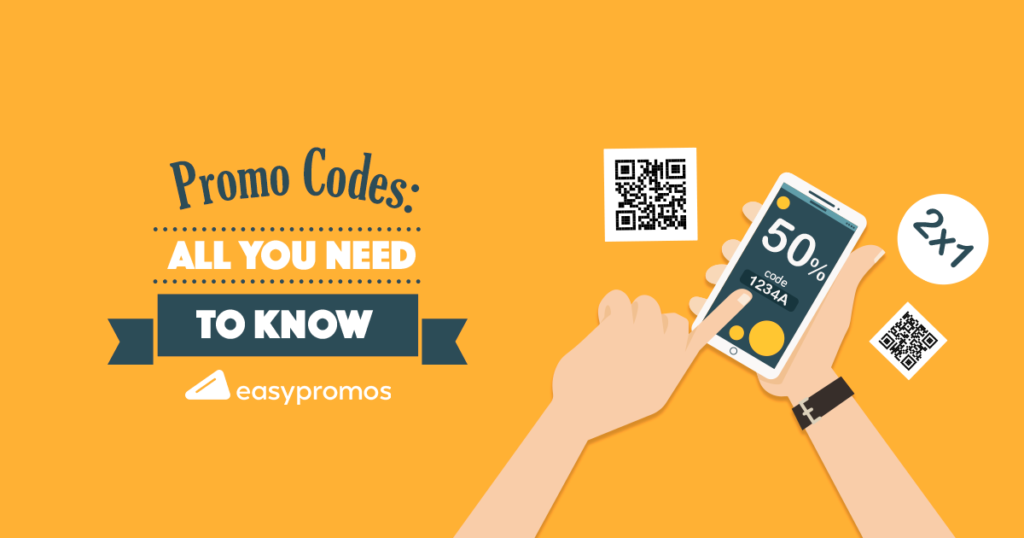
A discount code is a combination of letters, numbers, or both that shoppers enter during checkout to receive a specific benefit.
For example, a store might provide a code that gives 10% off selected products. Another promotion might offer a fixed discount after reaching a minimum order value.
Promo offers can work slightly differently. A retailer may automatically apply a sale price without requiring a code, while another promotion may require the shopper to enter a code manually.
Common examples include:
| Offer Type | How It Usually Works |
|---|---|
| Percentage discount | Takes a percentage off the eligible order |
| Fixed discount | Removes a set amount from the total |
| Free shipping | Waives standard delivery charges |
| Buy one, get one | Provides an additional eligible product |
| Cashback | Returns part of the purchase value |
| New-user offer | Gives a benefit to first-time customers |
| Student discount | Offers savings to eligible students |
| Bank offer | Discount applies with selected payment methods |
| Seasonal sale | Promotion runs during a specific period |
| Bundle offer | Savings apply when products are purchased together |
Understanding the type of promotion makes it easier to determine whether an offer is actually useful for a particular purchase.
How Coupon Codes Work
Using a coupon is usually straightforward.
First, select the products you want to purchase and add them to your shopping cart. During checkout, look for a field labeled Promo Code, Coupon Code, Discount Code, or something similar.
Enter the code exactly as provided and select the option to apply it. If the code meets the promotion requirements, the discount should appear in the order summary.
Before completing the payment, check the updated total.
A typical process looks like this:
Find an offer → Check eligibility → Copy the code → Apply at checkout → Confirm the discount → Complete the purchase
If the discount does not appear, do not immediately assume the code is broken. It may have a minimum order requirement, product restriction, location restriction, or expiration date.
Where to Find the Latest Discount Codes
Finding a discount code is only useful when the offer is current and applicable. Several places can be checked before placing an order.
Brand Websites
The retailer’s own website is often a useful starting point. Brands may display promotional banners, first-order discounts, seasonal offers, or special deals directly on their websites.
Some stores also provide exclusive promotions to customers who sign up for newsletters or loyalty programs.
Coupon and Deal Websites
Coupon websites collect promotional offers from different retailers in one place. They can save time because shoppers do not have to visit every brand website individually.
However, it is worth checking the offer’s details before relying on it.
Email Newsletters
Brands frequently send special offers to subscribers.
These may include:
- Welcome discounts
- Birthday offers
- Early access to sales
- Exclusive coupon codes
- Limited-time promotions
- Product-specific discounts
If you regularly shop from a particular brand, joining its newsletter can sometimes provide access to offers that are not prominently displayed elsewhere.
Mobile Apps
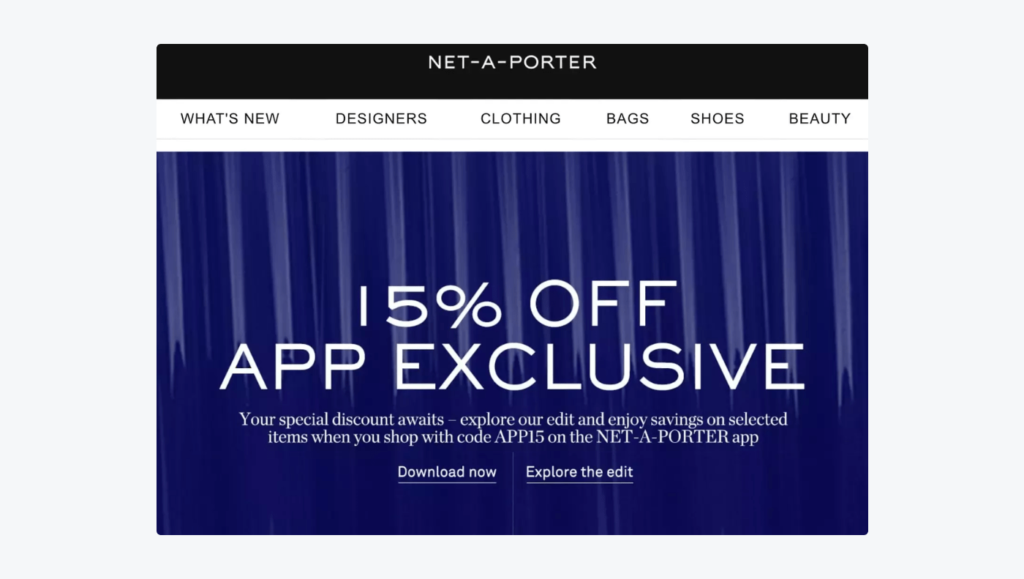
Retailer apps may feature app-only discounts, personalized offers, or special promotional campaigns.
Some businesses also provide a discount for a first purchase made through their app.
Loyalty Programs
Frequent shoppers can benefit from loyalty programs that provide points, member-only pricing, vouchers, or early access to sales.
The value depends on how often you shop and what benefits the particular program provides.
Popular Types of Promo Offers in 2026
Discount strategies continue to evolve, but several types of promotions remain common.
Percentage-Off Discounts
Percentage discounts are among the easiest promotions to understand.
For example, a 20% discount on a $100 eligible order would reduce the price by $20 before applicable taxes, fees, or exclusions.
However, always check whether the discount has a maximum saving limit.
Fixed-Amount Coupons
A fixed-value promotion removes a specific amount from the purchase.
For example:
$15 off orders above $75
This type of offer can be useful when your order is already close to the minimum spending requirement.
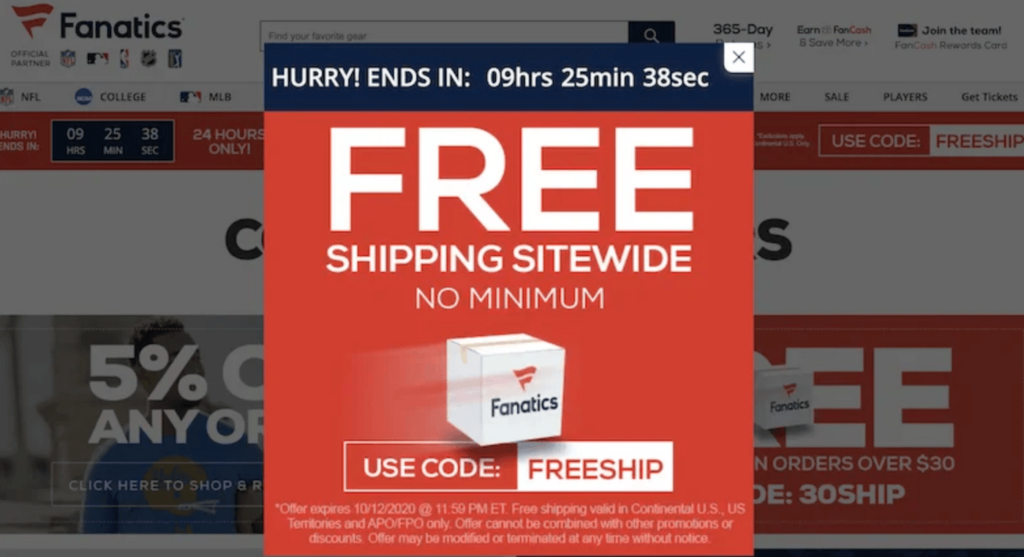
Free Shipping Codes
Delivery fees can sometimes make a seemingly inexpensive order more expensive.
A free-shipping promotion can reduce the final cost without changing the price of the products themselves.
Some stores automatically provide free delivery above a certain order value, while others require a promotional code.
New Customer Discounts
Many online stores offer special promotions to first-time customers.
These may be available after signing up for an account, joining an email list, or downloading the retailer’s app.
The offer normally applies only once per customer and may have additional restrictions.
Seasonal Promotions
Major shopping periods often bring a large number of discounts.
Common occasions include:
- New Year sales
- Valentine’s Day promotions
- Spring sales
- Summer sales
- Back-to-school offers
- Halloween promotions
- Black Friday
- Cyber Monday
- Christmas and holiday sales
Seasonal campaigns can include both automatic discounts and promotional codes.
How to Check Whether a Coupon Is Worth Using
A discount percentage alone does not tell you whether an offer is good value.
Suppose one store offers 20% off but has a high minimum purchase requirement, while another provides $10 off with no minimum order.
The second option could be more useful depending on the size of your purchase.
Before applying a coupon, compare:
| Factor | What to Check |
|---|---|
| Discount value | How much money will actually be saved? |
| Minimum spend | Is a minimum purchase required? |
| Maximum discount | Is the saving capped? |
| Product eligibility | Are your selected items included? |
| Expiration | When does the offer end? |
| Shipping | Does the code reduce delivery costs? |
| Payment method | Is a particular card or wallet required? |
| Customer eligibility | Is it limited to new or existing customers? |
| Code restrictions | Can it be combined with another offer? |
This quick check can prevent unnecessary purchases made simply to unlock a discount.
Coupon Stacking: Can You Use More Than One Offer?
Coupon stacking means using multiple promotions on the same purchase.
Some retailers allow it, while others limit customers to one promotional code per order.
For example, a store may allow a product discount together with free shipping, but it might not allow two percentage-off codes to be combined.
Always read the promotion terms before trying to stack coupons.
If multiple offers are allowed, compare the combinations rather than automatically applying the first code you find.
Bank and Payment Offers
Payment providers can also be a source of savings.
Banks, digital wallets, and payment platforms sometimes partner with retailers to offer special promotions.
A deal might require:
- A specific credit or debit card
- A minimum transaction value
- A particular payment method
- A promotional code
- A specific number of transactions
- A limited promotional period
For larger purchases, these offers can sometimes make a bigger difference than a standard coupon.
Student and Membership Discounts

Students, teachers, members, and other eligible groups may receive special pricing from certain businesses.
Student promotions can appear across categories such as technology, clothing, software, food delivery, entertainment, and education.
Membership programs can also provide special prices or recurring benefits.
The key is to check eligibility requirements before assuming that a discount applies.
Travel Discount Codes
Travel websites frequently use promotional pricing to attract customers.
Depending on the platform, promotions can apply to:
- Hotels
- Flights
- Vacation packages
- Car rentals
- Activities
- Travel memberships
Travel promotions often have detailed terms. Some are valid only for selected destinations, dates, properties, or booking types.
For travel purchases, comparing the final booking price is more useful than comparing the headline discount percentage.
Fashion and Beauty Promo Codes
Fashion and beauty retailers are frequent users of promotional campaigns.
Common offers include:
- Percentage discounts
- First-order codes
- Seasonal sales
- Bundle promotions
- Free shipping
- Buy-more-save-more offers
- Loyalty rewards
Before purchasing, compare the promotional price with the regular price and check whether sale products are excluded from the code.
Electronics and Technology Deals

Electronics promotions can include discounts on laptops, smartphones, accessories, software, gaming products, and smart-home devices.
Technology retailers may also provide special offers during major shopping events.
Because electronics can have significant price differences between retailers, shoppers should compare the final price, warranty terms, delivery costs, and return policy rather than focusing only on the coupon.
Food and Restaurant Promotions
Food delivery services and restaurants often run short-term promotional campaigns.
Examples include:
- Percentage-off orders
- Free delivery
- First-order discounts
- Meal bundles
- Restaurant-specific promotions
- Payment partner offers
These deals can have short expiration periods, so checking the terms immediately before ordering is particularly important.
Common Coupon Mistakes to Avoid

Finding a coupon does not automatically mean you are getting a better deal.
Buying Something You Do Not Need
A discount should reduce the cost of something you already planned to purchase. Spending extra money simply because an offer is available can defeat the purpose of saving.
Ignoring the Minimum Order
A “$20 off” coupon may sound attractive, but if it requires a $150 purchase and you only needed $40 worth of products, adding unnecessary items may cost more overall.
Forgetting About Shipping
A product may have a large discount but expensive delivery charges.
Always compare the final checkout total.
Missing the Expiration Date
Promotional codes can expire quickly. Some are valid for only a few hours or days.
Assuming Every Product Is Eligible
Brands frequently exclude clearance items, new releases, gift cards, or specific product categories.
Trusting Every Coupon Website
Not every code listed online is active or legitimate. Check the promotion terms and use established sources whenever possible.
Smart Ways to Save More With Promo Codes

You do not need to spend hours searching for discounts. A few simple habits can make coupon hunting more efficient.
Compare Before Checkout
Search for the retailer’s current promotion before completing the purchase. You may find a better offer than the one automatically applied to your cart.
Check the Brand Directly
Look at the retailer’s homepage, sale section, newsletter offers, and official social channels.
Create a Shopping List
A shopping list helps prevent impulse purchases made solely because something is discounted.
Watch for Seasonal Sales
If your purchase is not urgent, waiting for a major promotional period can sometimes provide additional savings.
Calculate the Final Price
A 40% discount does not necessarily mean the cheapest deal. Compare the final amount after discounts, delivery charges, taxes, and other applicable costs.
A Simple Coupon-Saving Checklist

Before clicking the payment button, run through this quick checklist:
- Check whether a coupon is available.
- Read the offer conditions.
- Confirm the expiration date.
- Check the minimum purchase requirement.
- Make sure your products qualify.
- Compare shipping charges.
- Check for payment-method discounts.
- Compare the final price with other retailers.
- Avoid adding unnecessary products just to unlock a discount.
- Confirm the discount appears before completing payment.

Latest Discount Codes & Promo Offers to Save in 2026
Online shopping has made it easier to compare products, discover new brands, and order almost…

Top Innovation Apps to Try in 2026 for Better Ideas & Growth
Let’s be honest with ourselves for a second. We’ve all done it. You get a…

Best Software How-To Guides: Learn Popular Tools Step by Step
Let’s be honest for a second: opening a brand-new software program can give anyone a…

Restaurant Deals 2026: How to Save Money on Dining Out
Let’s be honest: taking a look at a restaurant bill lately can feel like a…

Best Shopping Apps 2026: Compare Top Apps for Deals & Savings
Look, we’ve all been there. You open a shopping app at 11:00 PM just to…

Best Graphic Design Tutorials 2026: Beginner’s Complete Guide
You’re greeted by dozens of tiny buttons, complex toolbars, layers panels, floating menus, and endless…