

Choosing the right app has become more difficult than ever. Every day, new applications appear in app stores promising better productivity, faster performance, smarter features, and improved user experiences. Whether you are looking for a photo editor, a fitness tracker, a budgeting tool, or an AI assistant, the number of available options can feel overwhelming.
This is where app reviews become extremely valuable. A well-written app review does more than simply list features or ratings. It helps users understand how an app performs in real-life situations, whether it offers genuine value, and if it is worth the time and money. Good app reviews guide people toward better decisions by providing honest insights, practical experiences, and balanced opinions.
In today’s competitive digital world, users no longer want to download apps blindly. They want clear information that helps them avoid poor choices and discover apps that truly improve their daily lives.
Why App Reviews Matter

App reviews play an important role because they help users make informed decisions before installing or purchasing an application. Many apps look impressive in advertisements or screenshots, but the actual user experience can be completely different. Reviews help reveal what happens after the download button is clicked.
A detailed review explains both the strengths and weaknesses of an app. It allows users to understand whether the application is reliable, easy to use, and worth its price. Instead of wasting time testing multiple apps, people can use reviews to narrow down the best options quickly.
Reviews also create transparency in the app industry. Developers are encouraged to improve their products when users openly share feedback and experiences. Positive reviews help highlight useful applications, while constructive criticism points out areas that need improvement.
What Makes a Good App Review
Not all app reviews are equally helpful. Some reviews focus only on promotion, while others provide honest and meaningful insights. A good app review should feel balanced, informative, and practical.
The best reviews usually discuss:
- User experience
- Features and functionality
- Pricing
- Performance
- Design and interface
- Security and privacy
- Customer support
- Pros and cons
A helpful review explains how the app performs in everyday situations rather than simply repeating marketing claims. Users want to know whether the app crashes often, whether premium features are worth the cost, and whether the app genuinely solves their problem.
Honesty is what makes reviews trustworthy. Readers appreciate reviews that mention both positive and negative aspects because they feel more realistic and reliable.
User Experience Is Everything


One of the first things users notice about an app is its overall experience. Even powerful applications can fail if they are difficult to use or poorly designed. This is why app reviews often focus heavily on usability and interface design.
A good app should feel smooth, fast, and easy to navigate. Users appreciate simple menus, clean layouts, and features that are easy to understand without requiring long tutorials. Reviews help readers understand whether an app is beginner-friendly or designed mainly for advanced users.
When an app provides a pleasant experience, people are more likely to continue using it regularly. On the other hand, complicated interfaces and constant bugs often lead users to uninstall apps quickly.
Features and Real-World Performance

Features are important, but real-world performance matters even more. Many applications advertise long lists of tools and capabilities, but users care most about whether those features actually work effectively.
App reviews help separate marketing promises from reality. They explain whether the app delivers smooth performance, fast loading times, reliable syncing, and stable operation. Reviews also reveal whether premium features truly add value or simply exist to encourage expensive subscriptions.
For example, a video editing app may advertise professional editing tools, but a review can explain whether the export quality is actually good enough for content creators. Similarly, a productivity app may promise better organization, but reviews help users understand whether it improves workflow in practical use.
Pricing and Value for Money
Pricing is another major factor people consider before downloading an app. Some apps are free, while others require subscriptions or one-time purchases. Reviews help users understand whether the cost matches the value provided.
Many users become frustrated when apps lock essential features behind expensive paywalls. A good review explains what users get in free plans compared to premium versions. It also highlights hidden costs, advertisements, and subscription limitations that may not be obvious initially.
Value is not always about finding the cheapest app. Sometimes paying slightly more provides better support, fewer advertisements, stronger security, and a smoother experience overall. Reviews help users decide whether an app is truly worth the investment.
The Importance of Security and Privacy

As apps collect more personal information than ever before, security and privacy have become major concerns. Users now want reassurance that their data is protected and handled responsibly.
Modern app reviews often evaluate privacy policies, permission requests, and security features. An app that asks for unnecessary access to contacts, location, or personal files may raise concerns for users.
Trustworthy apps are transparent about data usage and provide strong account protection features. Reviews that discuss privacy help users make safer decisions in an increasingly connected digital environment.
AI Apps and the Growing Need for Reviews

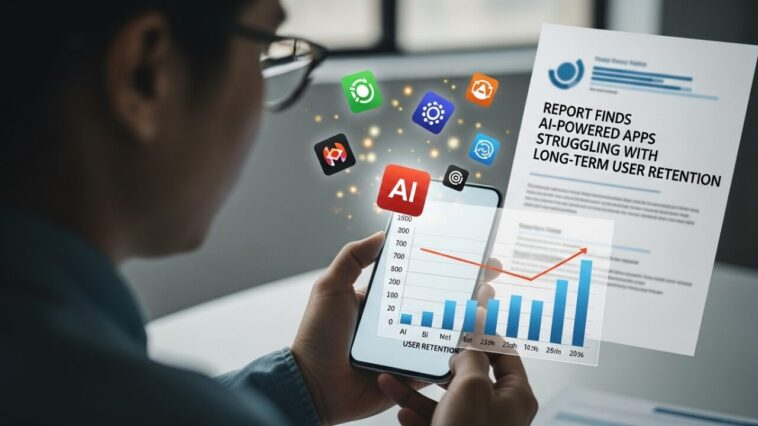
Artificial intelligence has introduced a new generation of apps focused on automation, writing, editing, image generation, productivity, and communication. Because AI technology is evolving rapidly, users often struggle to determine which tools are actually useful.
This has made AI app reviews especially important. Users want honest opinions about accuracy, speed, pricing, creativity, and ease of use. Reviews help identify which AI apps genuinely improve productivity and which ones rely mostly on hype and marketing.
As AI continues growing, detailed reviews will become even more valuable for helping users navigate this fast-changing market.
How App Reviews Help Users Save Time

One of the biggest benefits of app reviews is time savings. Without reviews, users often spend hours downloading, testing, and uninstalling multiple applications before finding the right one.
A well-written review simplifies this process by giving users clear insights before they commit to an app. Reviews help users avoid poor-quality applications, misleading advertisements, and tools that fail to meet expectations.
Instead of relying only on app store ratings, users can benefit from deeper explanations and real-world experiences shared through detailed reviews.

Latest Discount Codes & Promo Offers to Save in 2026
Online shopping has made it easier to compare products, discover new brands, and order almost…